Call us today:
Call us today:
Common Causes of Strabismus in Children and Adults
- posted: Aug. 28, 2025
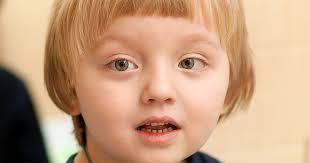
Strabismus, often called crossed eyes, is a condition where the eyes do not align properly. This misalignment can be constant or intermittent and may affect one or both eyes. At Eagle Vision Eye Clinic in Longmont, CO, our eye doctors regularly see patients of all ages who are concerned about this condition. Detecting strabismus early through a comprehensive eye exam is essential for preventing complications with vision development.
Genetic and Developmental Factors
Genetics play a significant role in the development of strabismus. Children with a family history of the condition are more likely to experience eye misalignment themselves. In some cases, developmental delays or issues with the eye muscles contribute to the onset of the condition. Our optometrist works with families to evaluate these risk factors and recommend appropriate care when needed.
Medical Conditions and Injuries
Certain medical conditions, such as cerebral palsy, Down syndrome, or diabetes, can increase the risk of strabismus. Head injuries or trauma to the eye may also disrupt the delicate coordination between the muscles and nerves that control eye movement. Identifying the underlying cause helps guide strabismus treatment and ensures patients receive effective care. Seeking the guidance of an optometrist near you is an important step in managing these complex cases.
Vision Problems and Eye Strain
In some cases, uncorrected vision problems contribute to strabismus. Conditions such as significant farsightedness may cause one eye to turn inward as it works harder to focus. Prolonged eye strain without proper correction can make misalignment worse over time. Regular eye care, including timely vision exams, allows our clinic to address these issues before they lead to further complications.
Treatment Options for Strabismus
Strabismus treatment varies depending on age, severity, and underlying cause. Options may include prescription glasses, prism lenses, or vision therapy designed to strengthen eye coordination. In more advanced cases, surgery may be necessary to realign the eye muscles. At Eagle Vision Eye Clinic, our optometrist provides personalized care plans to help each patient achieve the best possible outcome.
Protecting Long-Term Eye Health
Managing strabismus effectively requires professional evaluation and ongoing care. At Eagle Vision Eye Clinic in Longmont, CO, our team is committed to helping patients find lasting solutions through vision therapy, corrective lenses, or surgical referrals when needed. If you are looking for an eye doctor near you who can provide trusted guidance and comprehensive support, we encourage you to contact our clinic. Call Eagle Vision Eye Clinic today to schedule your appointment and take the first step toward better eye health.
- posted: Aug. 28, 2025
Strabismus, often called crossed eyes, is a condition where the eyes do not align properly. This misalignment can be constant or intermittent and may affect one or both eyes. At Eagle Vision Eye Clinic in Longmont, CO, our eye doctors regularly see patients of all ages who are concerned about this condition. Detecting strabismus early through a comprehensive eye exam is essential for preventing complications with vision development.
Genetic and Developmental Factors
Genetics play a significant role in the development of strabismus. Children with a family history of the condition are more likely to experience eye misalignment themselves. In some cases, developmental delays or issues with the eye muscles contribute to the onset of the condition. Our optometrist works with families to evaluate these risk factors and recommend appropriate care when needed.
Medical Conditions and Injuries
Certain medical conditions, such as cerebral palsy, Down syndrome, or diabetes, can increase the risk of strabismus. Head injuries or trauma to the eye may also disrupt the delicate coordination between the muscles and nerves that control eye movement. Identifying the underlying cause helps guide strabismus treatment and ensures patients receive effective care. Seeking the guidance of an optometrist near you is an important step in managing these complex cases.
Vision Problems and Eye Strain
In some cases, uncorrected vision problems contribute to strabismus. Conditions such as significant farsightedness may cause one eye to turn inward as it works harder to focus. Prolonged eye strain without proper correction can make misalignment worse over time. Regular eye care, including timely vision exams, allows our clinic to address these issues before they lead to further complications.
Treatment Options for Strabismus
Strabismus treatment varies depending on age, severity, and underlying cause. Options may include prescription glasses, prism lenses, or vision therapy designed to strengthen eye coordination. In more advanced cases, surgery may be necessary to realign the eye muscles. At Eagle Vision Eye Clinic, our optometrist provides personalized care plans to help each patient achieve the best possible outcome.
Protecting Long-Term Eye Health
Managing strabismus effectively requires professional evaluation and ongoing care. At Eagle Vision Eye Clinic in Longmont, CO, our team is committed to helping patients find lasting solutions through vision therapy, corrective lenses, or surgical referrals when needed. If you are looking for an eye doctor near you who can provide trusted guidance and comprehensive support, we encourage you to contact our clinic. Call Eagle Vision Eye Clinic today to schedule your appointment and take the first step toward better eye health.
Location
Find Us On The Map!
Eagle Vision Eye Clinic
2080 Main St
Longmont, CO 80501
Contact Us Form
